GORE-TEX® — Recovery Partnership

Mission Driven Material Science.

A mission-based partnership between BIONIC, Gore, and coastal communities in Costa Rica — resulting in GORE-TEX® laminates made with recovered coastal material.

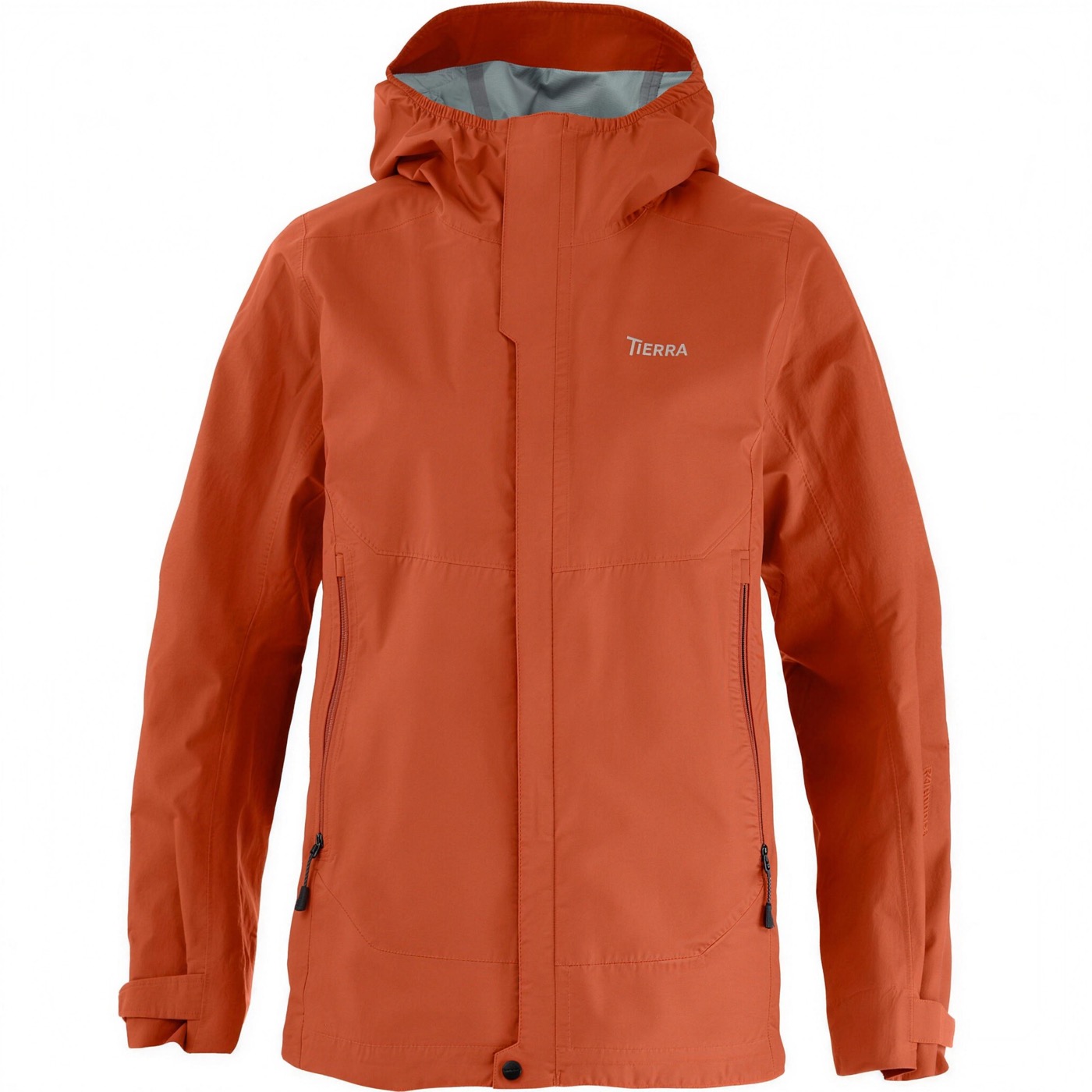
GORE-TEX laminate made with recycled BIONIC face textile

The Material

GORE-TEX® Laminates,
Recovered Face Textile.

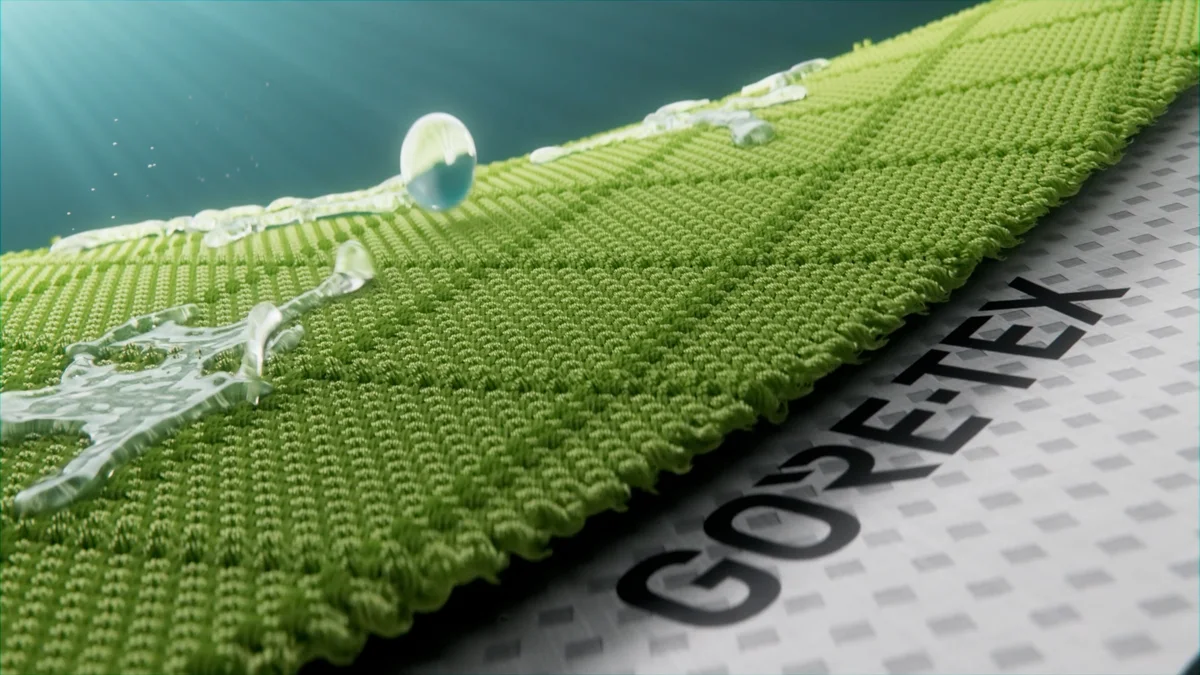
The recovered coastal material BIONIC processes becomes the face textile laminated into GORE-TEX® fabric — keeping the same waterproof, breathable performance the GORE-TEX® name guarantees, built on a recovered input instead of virgin polymer.
The Partnership

Recovered at the Coast.
Engineered by Gore.

A partnership built on remote communities.

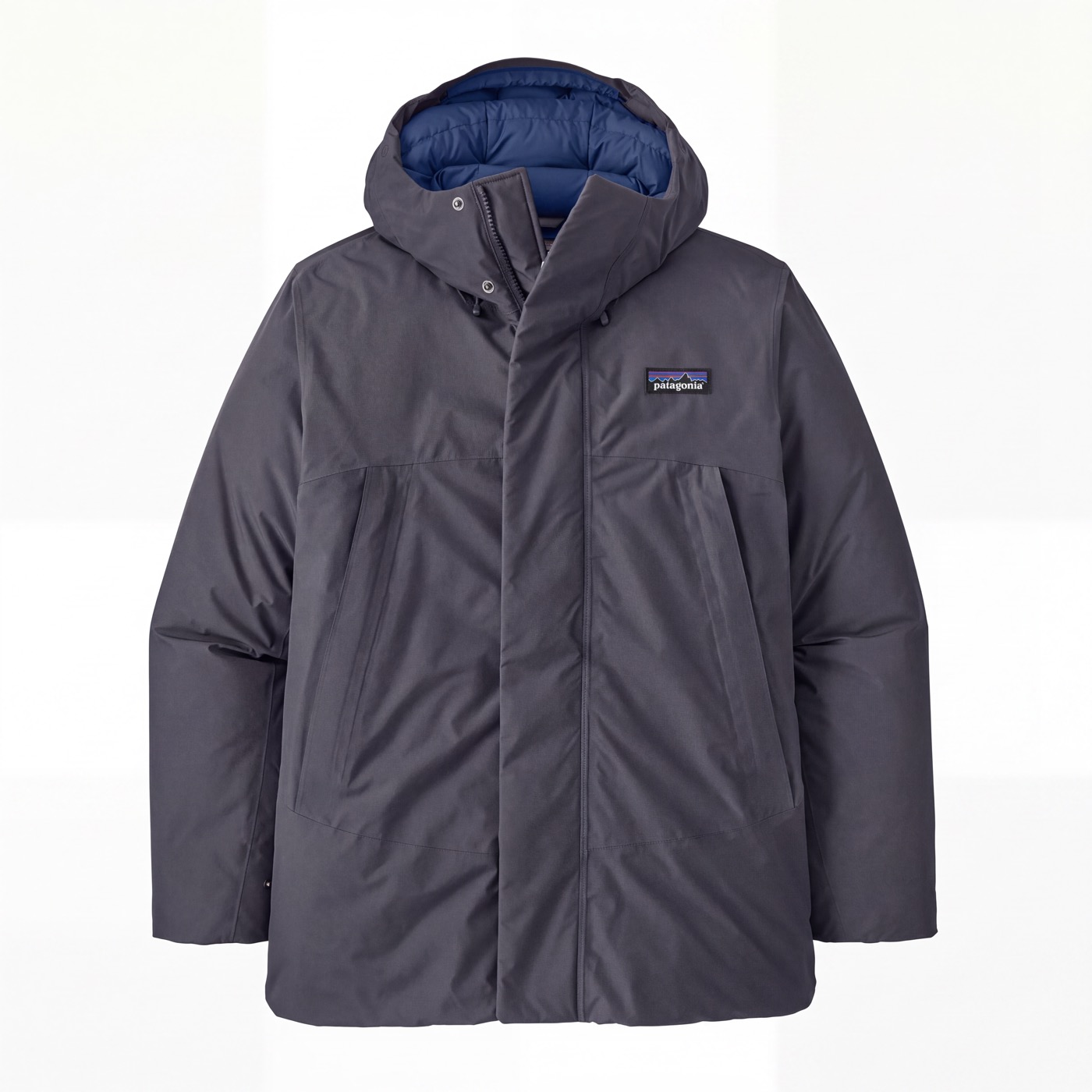
W.L. Gore partnered with BIONIC® to bring recovered coastal material into GORE-TEX® products — one of many ways our materials reach the world, and a partnership that helped us scale the recovery infrastructure behind all of it.

Partnering with remote communities to repurpose coastal recovered material, BIONIC and Gore built a supply chain that starts with local collection and sorting — not a factory, but a network of people along the coast.

The result is a laminate that carries a certifiable chain of custody from coastline to garment, without asking the wearer to trade performance for it.

Partners

BIONIC × W.L. Gore

Location

Cóbano & Santa Cruz, CR

Material

Recovered HDPE · PP

Output

GORE-TEX® Laminates

Recovered · Network

The Recovery
Network.

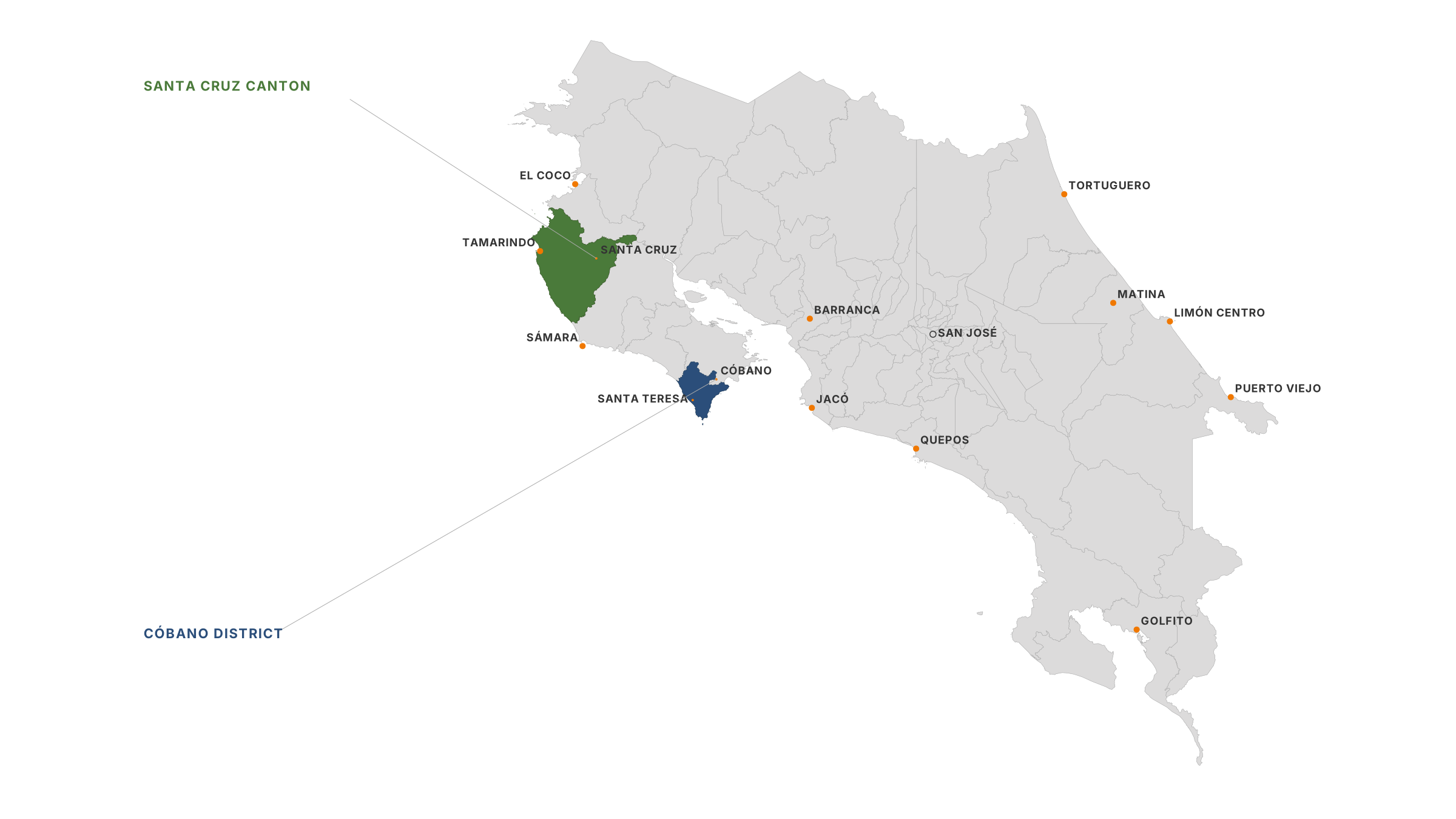
Two operating regions on Costa Rica's Pacific coast, with collection expanding along both coastlines.

Map of Costa Rica showing the Cóbano District and Santa Cruz Canton recovery regions, with coastal collection points expanding along both coasts
  • Cóbano District — Operational
  • Santa Cruz Canton — Operational
  • Coastal collection points — Expanding

Recovery starts with local collection and sorting, then moves through certifiable chain-of-custody processing before it becomes feedstock.